


Lo importante sobre IdunVit, de un vistazo
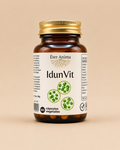
IdunVit
34,00€ EUR
Precio de oferta
34,00€ EUR
Precio habitual
Ir directamente a la información del producto


IdunVit
Protección Celular para la Longevidad, Antiaging y Belleza Integral.
60 Cápsulas Veganas
1,30€ / dosis diaria — Tratamiento para 30 días
Sin gluten
100% vegano
Sin OGM
Sin lactosa
100% natural
El retiro no está disponible actualmente
Combina bien con
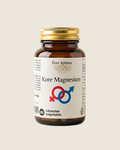
Kore Magnesium
32,00€
★★★★★87 reseñas
Equilibrio HormonalArmonía metabólicaRegulación emocionalVitalidad reforzada
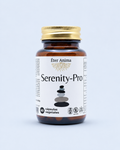
Serenity-Pro
33,50€
★★★★★76 reseñas
Equilibrio EstrésReducción de cansancioReducción de fatigaDescanso nocturno
¿En qué te puede ayudar IdunVit?
Frena el envejecimiento, protege tus células. Luce tu piel, cabello y uñas con mejor firmeza.
IdunVit es un potente tratamiento antioxidante que combate el desgaste diario y la inflamación desde el interior. La solución perfecta para renovar tu vitalidad y proteger tu cuerpo frente al paso del tiempo.
Reduce la fatiga celular y defiende tu organismo del estrés cotidiano.
Piel visiblemente más firme y luminosa, junto a una mejora en tu metabolismo.
Protección profunda a largo plazo para mantener tu cuerpo joven y saludable.
Fórmula 100% limpia: De máxima absorción celular, sin gluten y libre de aditivos sintéticos.
Invierte en tu longevidad y siente la diferencia en tu piel y tu vitalidad.
- Salud preventiva
- Ingredientes de Fabricación Propia
- Desarrollo de Fórmulas
- Avalado por terapeutas
Ingredientes clave de IdunVit
Principios activos:
BiotinaAntocianinasglicina-prolina-hidroxiprolinaTrans-resveratrolÁcido ascórbicoÁcido hialurónicoPunicalaginasAstaxantinaUbiquinona

Colágeno Hidrolizado
La ciencia confirma que los péptidos hidrolizados estimulan la síntesis de colágeno nuevo en el organismo, devolviendo la firmeza y elasticidad estructural a los tejidos.

Ácido Hialurónico
Estudios clínicos demuestran su capacidad imbatible para retener agua en la matriz celular, rellenando los tejidos desde el interior y suavizando las líneas de expresión de forma natural.

Biotina
Ayuda al mantenimiento óptimo, grosor y fortalecimiento de la piel, el cabello y las uñas desde la raíz.

Resveratrol 98% Puro
Múltiples investigaciones biomédicas confirman que activa las sirtuínas (los genes del antienvejecimiento), protegiendo la salud celular y cardiovascular.

Vitamina C
Es el cofactor biológico indispensable para que tu cuerpo pueda fijar y asimilar el colágeno, proteger del estés oxidativo y regular los estados de ánimo.

Coenzima Q10
Ayuda a reactivar la producción de energía (ATP) dentro de cada célula. Es la chispa necesaria para acelerar la renovación celular y combatir el desgaste del organismo.

Astaxantina
Estudios bioquímicos demuestran que es hasta 6.000 veces más potente que la vitamina C. Actúa como un escudo protector celular definitivo contra el daño oxidativo.

Extracto de Açaí
Con su altísima concentración de polifenoles, ayuda a neutralizan los radicales libres provocados por la contaminación y el estrés diario, frenando el envejecimiento prematuro.

Extracto de Granada
El ácido elágico tiene capacidad para unificar el tono de la piel y prevenir manchas celulares regulando la síntesis interna de melanina.
Forma:
Patente:
Grupo:
Propiedades
Beneficios
Ingredientes con estudios científicos
Cómo funciona la fórmula
Desglose completo de ingredientes activos, concentraciones y mecanismo de acción.
Certificados de análisis (CoA's)
Resultados de laboratorio independiente que certifican pureza, potencia y ausencia de contaminantes.
FAQ
Preguntas frecuentes
¿En cuántos días empezaré a notar cambios reales en mi piel y vitalidad?
La neutralización del estrés oxidativo y la mejora en la energía celular comienzan desde las primeras 2 semanas. A partir del día 30 de toma continuada, la luminosidad de la piel, la firmeza de los tejidos y la reducción de signos de fatiga física y cutánea son plenamente visibles. Los beneficios sobre la longevidad celular y la densidad cutánea se consolidan al completar el protocolo de 90 días.
¿En qué se diferencia IdunVit de un colágeno bebible o multivitamínico de farmacia?
La cosmética oral tradicional suele aportar proteína desnaturalizada o sintéticos de bajo coste que el cuerpo elimina sin absorber. IdunVit es biotecnología celular bioactiva desarrollada en laboratorio propio: actúa en la raíz del envejecimiento mitocondrial y la inflamación silenciosa, estimulando la capacidad autogenerativa de tus propios tejidos sin necesidad de azúcares ni dosis masivas de relleno.
¿Es apto para estómagos sensibles o personas con intolerancias alimentarias?
Sí, al 100%. Como fabricantes directos en España, formulamos bajo el estándar Clean Label: cápsulas 100% vegetales, libres de gluten, lactosa, azúcares añadidos y excipientes industriales. Garantiza una asimilación bioactiva completa con absoluta tolerancia digestiva y sin causar pesadez.
¿Debo tomarlo de forma continuada o es necesario hacer descansos?
Está diseñado para la nutrición celular diaria. El daño oxidativo por radiación, contaminación y estrés es continuo; mantener el protocolo de forma constante (recomendamos el Pack Trimestral de 90 días) asegura una protección antienvejecimiento sostenida y eleva la resiliencia de la piel.
¿Cuál es el mejor momento del día para realizar la toma?
Toma 2 cápsulas por la mañana con el desayuno y un vaso de agua. Esto optimiza la asimilación de los bioactivos y protege la estructura celular frente al estrés ambiental durante toda la jornada.